The Mission
Explore. Document. Preserve.
D.E.P.T.H. Research & Exploration focuses on submerged environments that are difficult to access, rarely seen, and often poorly understood.
Through technical diving, field documentation, underwater imaging, and research-driven exploration, the team works to create lasting records of places hidden below the surface.
Why We Explore
Reaching the site is only the beginning.
Exploration creates the opportunity to see what few people ever will. Documentation is what gives that moment lasting value.
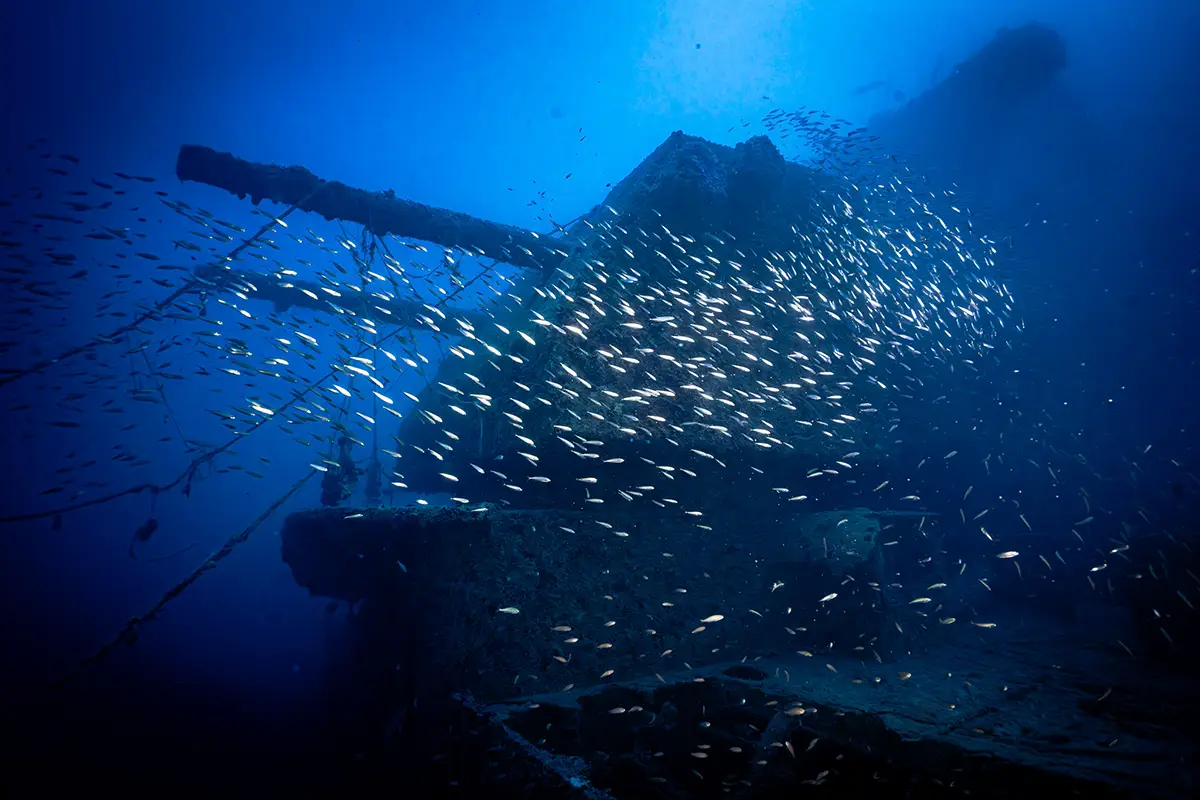
A wreck, cave, artifact, or submerged landscape can change over time through weather, corrosion, collapse, sediment movement, human activity, and the natural forces of the underwater world. To enter these places without recording them is to leave with only memory.
D.E.P.T.H. approaches exploration as a process of observation, documentation, and interpretation. The goal is not only to arrive, but to return with records that can be studied, shared, and preserved.
What We Pursue
Exploration with a purpose.
The team’s work sits at the intersection of technical diving, historical curiosity, environmental awareness, and visual documentation.
Wrecks
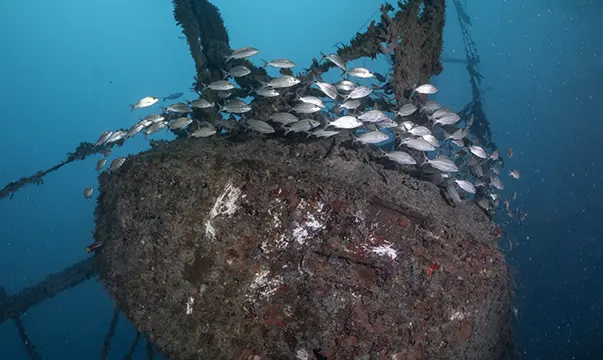
Shipwreck Research & Identification
Exploring wreck sites through visual records, field observation, historical context, and careful documentation.
Overhead
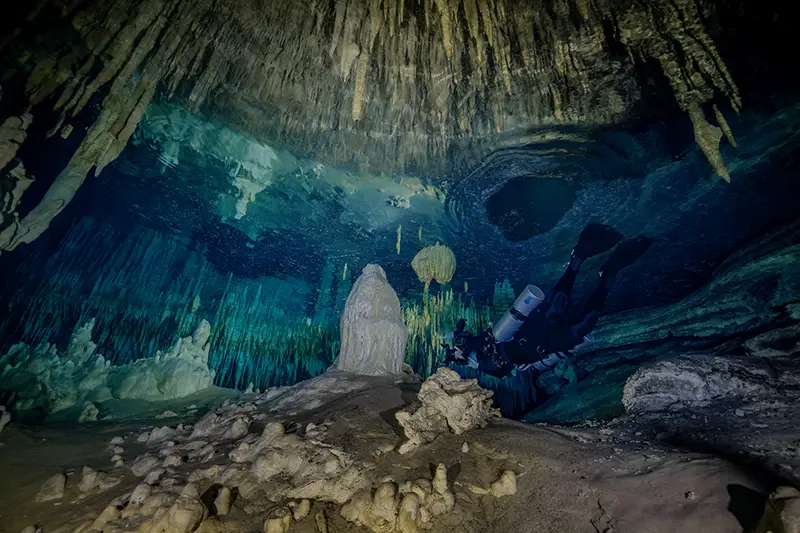
Cave & Overhead Exploration
Working in complex environments where preparation, restraint, and situational awareness shape every decision.
Imaging
Underwater Imaging & Documentation
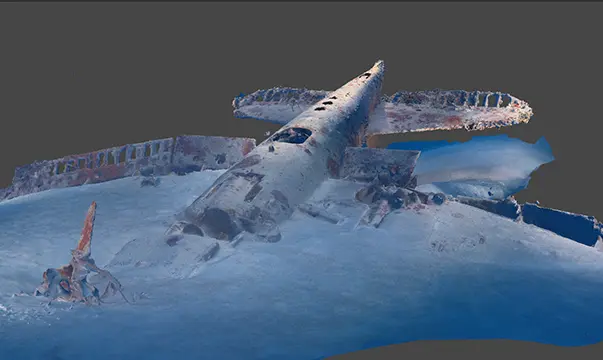
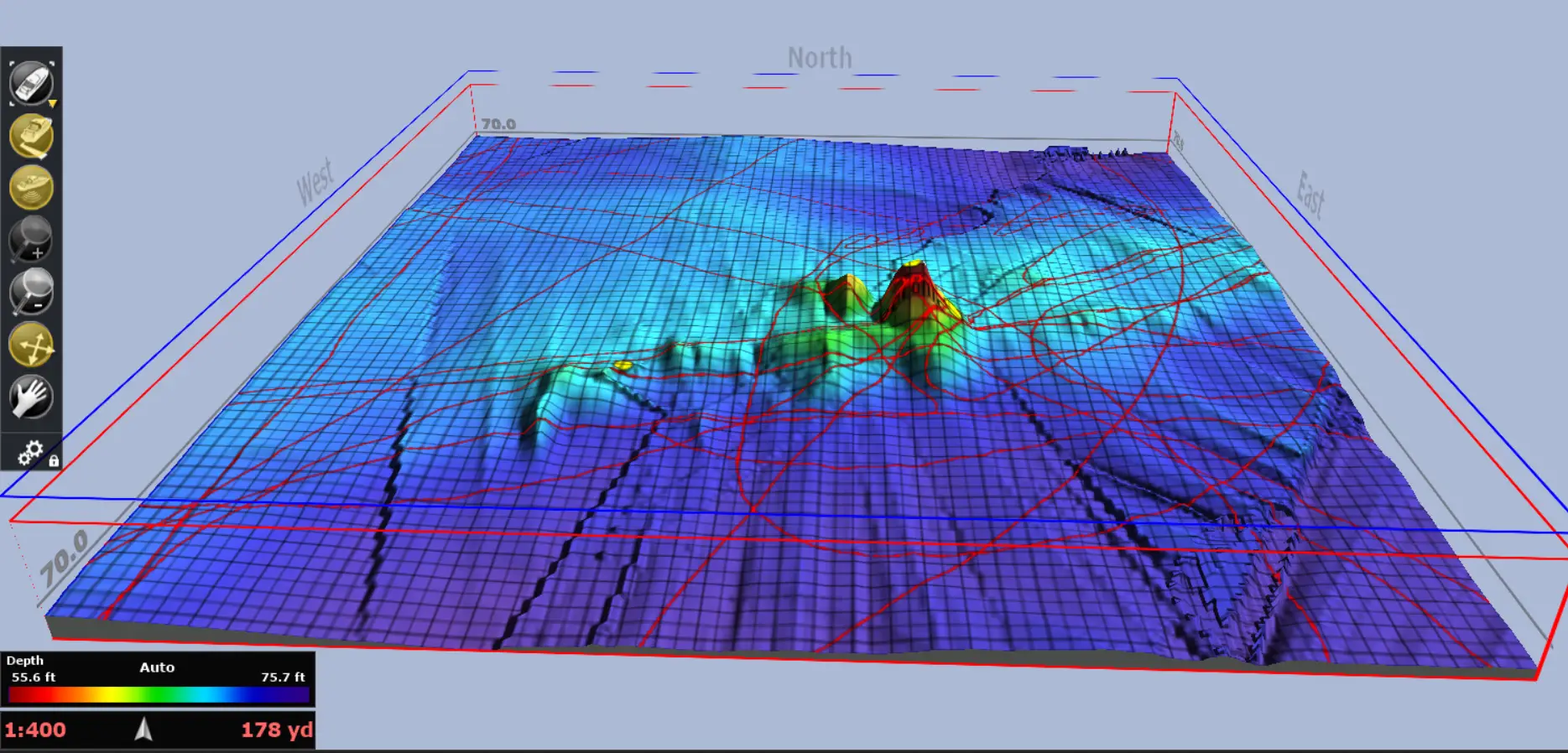
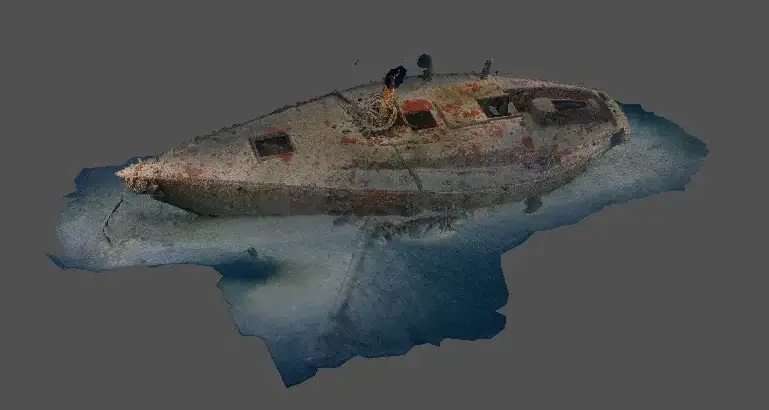
Capturing photography, video, and spatial data that help transform underwater sites into accessible visual records.
The Field Method
Methodical exploration, not just adventure content.
The work begins before anyone enters the water. Each project depends on research, planning, execution, documentation, interpretation, and archiving.
01
Research
Gathering historical context, site clues, environmental details, and known records before entering the field.
02
Planning
Defining objectives, dive logistics, equipment needs, safety considerations, and documentation priorities.
03
Dive Execution
Carrying out the dive with discipline, awareness, and the flexibility required by challenging underwater environments.
04
Documentation
Capturing images, video, measurements, observations, and spatial data that can support later interpretation.
05
Interpretation
Reviewing the records, identifying details, comparing findings, and connecting visual evidence to broader context.
06
Archive
Organizing records so the site can be revisited, studied, shared, and understood long after the dive is complete.
Why Documentation Matters
Records create access.
Most people will never descend to these environments directly. Documentation makes it possible for others to see, study, revisit, and understand what exists below.
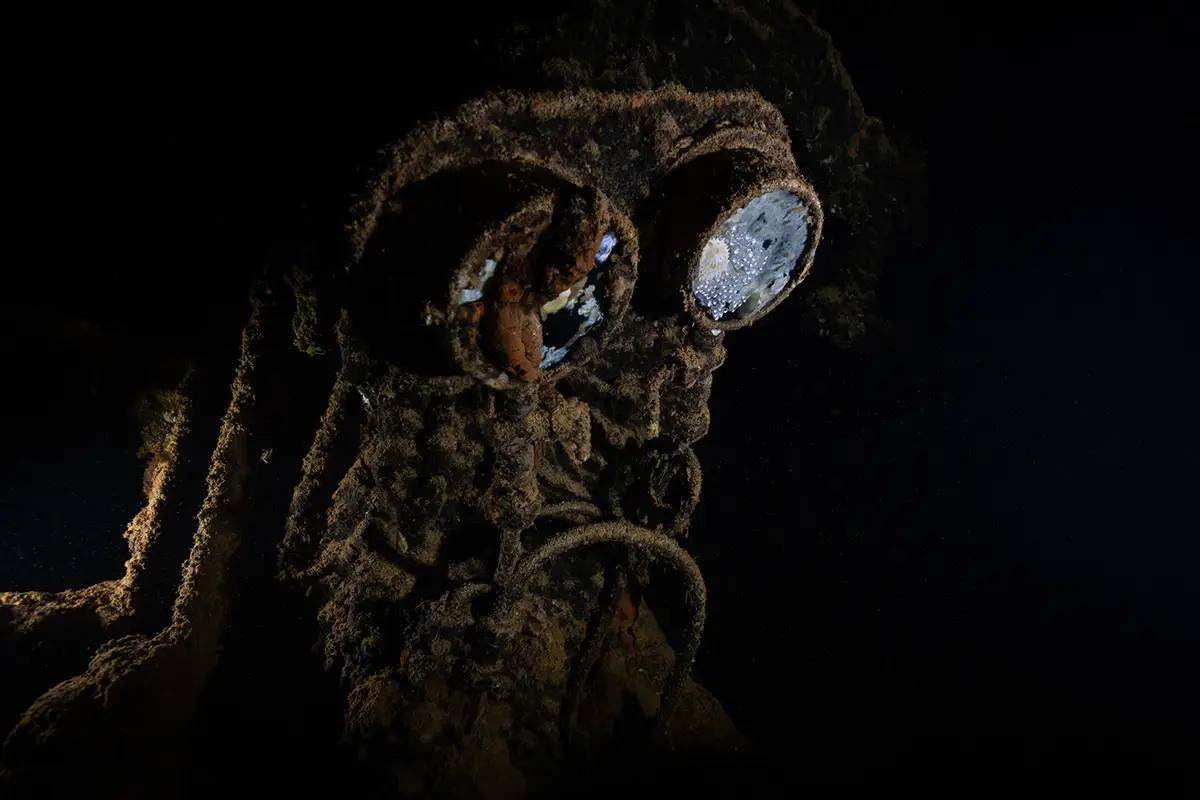
Photography and video preserve a visual record. Photogrammetry and 3D reconstruction add spatial context. Field notes and interpretation help connect what was seen underwater with the history, environment, and conditions around the site.
Together, these records extend the value of a dive beyond the dive itself. They preserve evidence, support future research, and make hidden places more accessible without disturbing them.
Expedition Principles
How we enter the water matters.
Precision over speed
Preparation enables exploration
Observation before conclusion
Respect for environment
Documentation creates access
Leave with records, not footprints